This is the top 12 Popular IOS Free Simulation Games
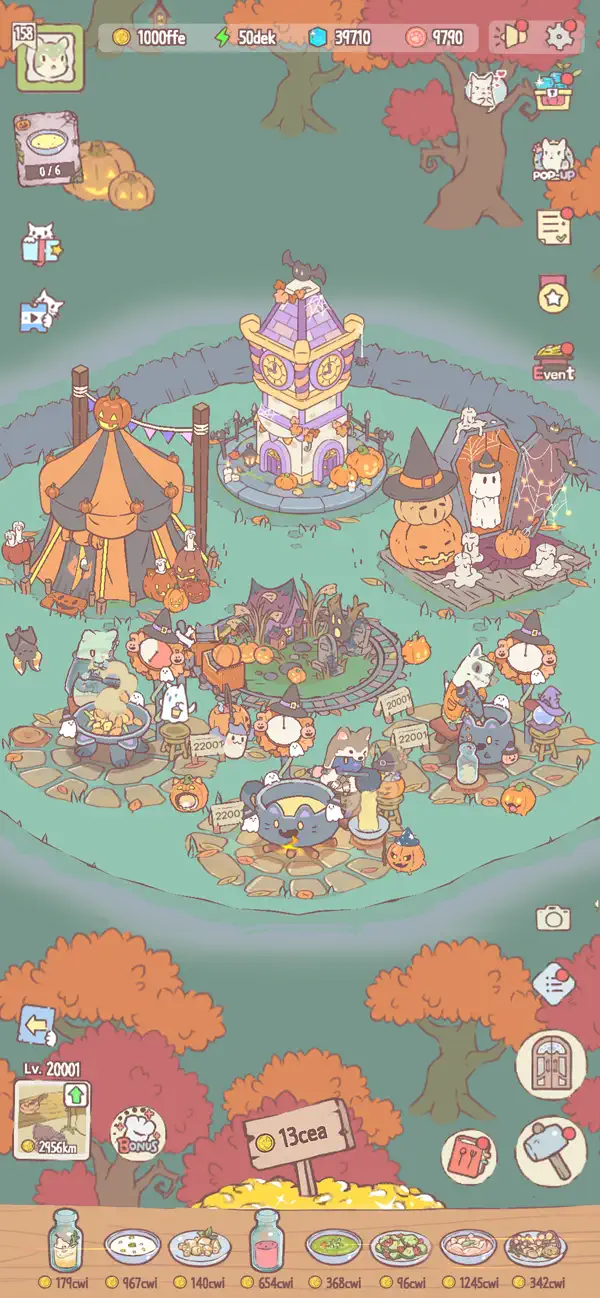
I’m a 40-year-old man, and I spent twenty minutes yesterday putting a tiny hat on a virtual Ragdoll cat. Is it 'gaming'? Hardly. It's a digital aquarium with cats. The art is genuinely lovely—it has this soft, watercolor aesthetic that is rare in the mobile market. The sound of the rain and the soup bubbling is quite relaxing after a long day of real work. But like all idle games, the 'gameplay' is just clicking circles to upgrade things so you can click more circles. Eventually, the prices for upgrades become so astronomical that you’re forced to either wait for days or watch a dozen ads to get a boost. It’s charming for a week, but after that, it's just another icon on your phone asking for attention.
I'll admit, BitLife is more entertaining than it has any right to be. It’s essentially a very complex 'Choose Your Own Adventure' book. The writing is clever, and it definitely doesn't take itself seriously, which I appreciate. You can end up as a world-class neurosurgeon or a crack-addicted cat burglar, and the journey there is usually funny. However, it’s still just a bunch of menus. After a few 'lives,' the repetition sets in hard. You start seeing the same prompts over and over, and the 'gameplay' is just clicking buttons to raise a stat bar. The monetization has also become increasingly aggressive over the years, with almost every interesting new feature being locked behind a paywall. It’s a fun time-killer, but calling it a deep RPG is a stretch.

The cats are cute, I'll give them that. The art style has a certain 'chunky' charm that reminds me of old flash games, but behind the whiskers is a very standard, very grindy idle tycoon loop. You click a desk, you wait for money, you buy a bigger desk. It's the same treadmill we've been on for a decade. As someone who’s been playing games since the NES era, I need a little more substance than just 'watch number go up.' What really kills it for me is the aggressive monetization. They call it 'Idle,' but if you want to make any real progress without waiting for weeks, they expect you to open your wallet or watch an endless stream of ads. There are too many currencies to track, and the UI is cluttered with 'limited time offers.' It’s a shame because the office-themed cat puns are actually clever, but the predatory design makes it hard to recommend to anyone who actually respects their bank account.
This is a poor man's Minecraft. It removes the survival, the mining, and the exploration, leaving only the building—which is then handicapped by blueprints and timers. It’s a building game that doesn't really want you to be creative unless you pay to unlock the good blocks. The 'social' aspect is just a gallery of other people's identical villages. The graphics are a blatant ripoff of Mojang’s work, but without any of the charm. It’s clearly designed to capture the youth market that can't buy the real thing. It’s playable, but it feels incredibly cynical.

I've seen the 'idle' genre grow from simple text counters to things like Egg, Inc. Visually, it’s impressive for what it is—the clean, minimalist aesthetic is far better than the cluttered mess usually found in mobile tycoons. But let’s be honest: you’re watching numbers go up so you can buy things that make numbers go up faster. It’s a masterclass in psychological manipulation. The prestige system is designed to make you feel like you’re making progress while actually resetting your efforts. It’s polished, yes, but it lacks the intellectual stimulation of a real strategy game. If you want to kill five minutes while waiting for a bus, fine. Just don't convince yourself there's a real 'game' here.
I'll admit it—even a grumpy, cynical 40-year-old gamer like me has a soft spot for dogs, and Old Friends Dog Game leans heavily on that exact emotional vulnerability. Based on a real senior dog sanctuary, the game has you adopting, feeding, and caring for older pups who just want a comfortable place to nap. Mechanically, it's a standard mobile management sim with time-gated chores, resource collection, and decoration loops that we've all seen a thousand times before. Yet, it somehow hurts less here because the subject matter is genuinely wholesome. You aren't fighting off loot-box pressures or twitch-reflex combat; you're just petting virtual senior dogs. The gameplay loop is painfully slow and heavily leans into standard free-to-play wait timers, which tests my patience as someone who prefers games that respect an uninterrupted session. But if you want a low-stress title to check in on for five minutes a day while sipping your morning coffee, it's harmless enough.
The dinosaurs look fantastic. They really do. But as a game? It’s a joke. It’s a glorified chore-simulator. You click a building, you wait 4 hours. You click a dinosaur, you wait 12 hours to hatch it. The 'battles' are just a simple Rock-Paper-Scissors mechanic with some math thrown in. It’s all designed to make you spend money on 'bucks' to skip the waiting. There’s no real management depth—you just follow the path the game lays out for you. It’s a shame because the presentation is top-tier, but the soul of a game developer has been replaced by the soul of an accountant here.
Dinsun here. Not my usual speed, but I can recognize a well-made management loop when I see one. The 'career' progression actually has some meat on it, forcing you to budget and plan outfits based on specific client needs rather than just picking what looks good. However, the game is absolutely relentless with its energy systems and currency. It’s a job simulator where the boss keeps taking your paycheck. The 'story' is as shallow as a puddle, but the actual mechanics of styling are competent. Too bad about the greed.
Dinsun here. I don't usually go for 'lifestyle' apps, but Design Home is a curious beast. It’s less of a game and more of a virtual catalog for expensive furniture. The core loop of decorating a room and getting judged by strangers is oddly compelling, but it’s poisoned by the monetization. You quickly run out of the 'good' furniture, and to keep winning, you’re almost forced to spend real money. The graphics are sharp—real furniture looks like real furniture—but the gameplay is essentially a shopping simulator. If you’re an interior design enthusiast, there’s some value here as a mood board, but as a gamer, I find the pay-to-win structure to be egregious. It’s pretty, but it’s shallow.

I’ll admit, they nailed the psychological loop. You click a button, a bar fills up, and you get 'money.' You use that to make the bar fill faster. It’s the purest distillation of capitalism, and it’s completely hollow. There is zero gameplay here. You aren't making decisions; you're just following the path of most efficiency. It’s well-made for what it is—the UI is snappy and the theme is consistent—but I can't in good conscience call this a 'great' game. It’s a Skinner box. It’s designed to keep you coming back to watch numbers get bigger. If you have an addictive personality, stay far away. If you want a game with depth, look elsewhere. It’s fine as a background distraction, but that’s it.

Dinsun here. I’m far from the target demographic for an influencer-themed game, but I’ve got to hand it to Outerminds—they nailed the aesthetic. The pixel art is top-notch, and the game is genuinely funny if you've spent any time on YouTube in the last decade. It’s a standard tycoon loop: wait for a bar to fill, get coins, buy a bigger desk, repeat. However, it is still an idle game at its core. It’s designed to be played in three-minute increments several times a day. If you try to play it for an hour, you'll hit a wall where you just can't do anything without spending real money or waiting until tomorrow. It’s a polished time-waster, but it lacks any real strategic depth. It’s a vanity project that is actually well-made, which is a rare feat.
Wings of Heroes gets the 'flight' part right. The planes have weight, and the dogfights can be genuinely tense when you're maneuvering to stay on an enemy's tail. As someone who appreciates history, the plane models are quite good. However, the game is heavily bogged down by its upgrade system. You'll often find yourself outclassed not by skill, but by someone who has spent more time (or money) upgrading their engine. It's a shame, because the core combat is solid. It’s worth playing if you like aviation, but be prepared for a long grind.

This is the top 12 Popular IOS Paid Simulation Games
Dinsun here. Now this is a proper piece of software. RFS doesn't hold your hand; it expects you to understand—or at least learn—the fundamentals of flight. The level of detail in the 3D cockpits and the inclusion of real-time air traffic is impressive for a handheld device. It’s less of a 'game' and more of a hobbyist tool, which I highly respect. My main grievance is the subscription model. To get the 'Real' part of the 'Real Flight Simulator'—the HD airports and live multiplayer—you have to pay monthly. I’m old school; I prefer to buy my games once. But I cannot deny the quality here. The flight physics feel weighty and the weather systems are genuinely impactful. If you’re serious about aviation and don't have access to a high-end PC, this is your best bet on iOS.
This isn't 'racing' in the traditional sense; it’s a battle of attrition. If you’re looking for high-speed thrills, look elsewhere. This is about differential locks and winching yourself out of a swamp for twenty minutes. As someone who appreciates mechanical depth, I find the physics engine here impressive for a mobile port. The way the mud deforms and clings to the tires is something to behold. It’s difficult. It’s frustrating. It’s brown. But when you finally deliver that load of logs across a river, there’s a sense of accomplishment most modern games don't offer. The controls are a bit cramped on a phone screen—play it on a tablet if you can. It’s a serious sim for serious players.
I have a soft spot for simulation software that actually tries to model something real. My Pocket Galaxy isn't really a 'game' with goals, but as a physics sandbox, it’s quite compelling. Watching the orbital paths shift when you introduce a second sun to a system is genuinely interesting. It’s educational without being preachy. The controls are surprisingly intuitive for a 3D space sim on a small screen. However, it lacks the depth of more robust PC counterparts like Universe Sandbox. Once you've collided a few planets and made a black hole, there isn't much else to 'do.' It needs more complex interactions or perhaps some mission-based challenges to keep a serious gamer engaged long-term. Still, for a mobile sim, it’s a respectable effort.
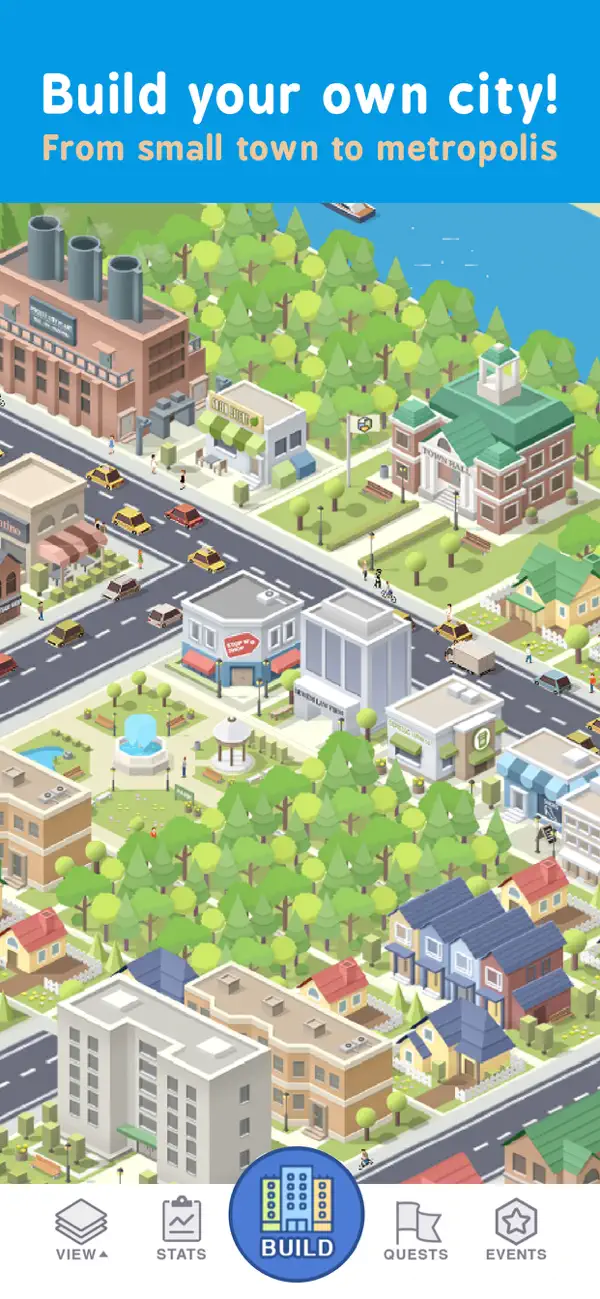
Dinsun here. Now this is more like it. Pocket City is what mobile gaming should be: a honest-to-god video game that you buy once and actually own. It’s an incredibly competent homage to SimCity 2000. It doesn't have the complexity of a modern PC title like Cities: Skylines, but for a handheld experience, the balance is almost perfect. The UI is clean, the feedback loops are tight, and it actually challenges you to manage a budget rather than just clicking 'collect' on a timer. It’s a bit on the easy side once you figure out the optimal zoning ratios, and the visual style is a little 'sanitized' for my taste, but these are minor gripes. It’s functional, it’s fair, and it’s deeply satisfying to watch your little blocky metropolis grow. In an App Store filled with predatory trash, Pocket City is a beacon of old-school design philosophy. I’m impressed, though I still wish it had a bit more grit in the simulation.
Dinsun here. Finally, something with some actual systems to dig into. It’s not 'fun' in the traditional sense—it's work. You drive a tractor at 5mph for an hour. But there is something incredibly satisfying about the precision of the machinery and the economy management. The mobile version is obviously scaled back from the PC giants, and the lack of a proper multiplayer mode is a massive oversight. It's also a bit of a battery hog. But if you want a serious simulation on your phone, Giants Software is the only one doing it right. Just be prepared to read a manual.
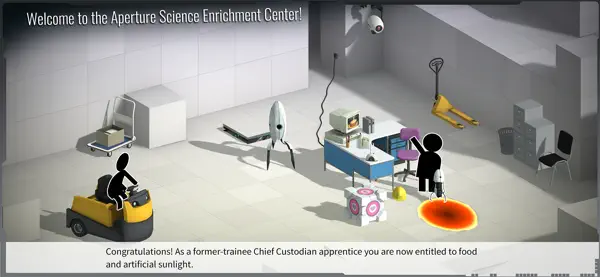
Look, I’ve seen enough cash-ins to be skeptical when a big license like Portal gets slapped onto a mobile puzzle game. Bridge Constructor Portal is better than most, but it’s not without its irritations. The engineering logic is sound, and seeing GLaDOS again is a treat for anyone who appreciates dry humor, but the game quickly devolves into a game of pixels. You'll spend fifteen minutes adjusting a strut by a fraction of an inch just because the physics engine decided your forklift should flip for no reason. It’s polished, sure, but it lacks the genuine 'aha!' moment of the original Valve titles. It’s a bridge builder with a blue and orange coat of paint. It does the job, but don't expect it to revolutionize your afternoon. I’ve seen better physics simulations that didn't need a celebrity voice to hold my interest.
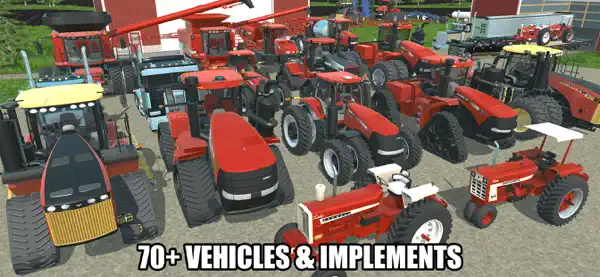
Finally, a game that actually requires some thought. American Farming is a surprisingly deep simulation that gives the big-name Farming Simulator titles a run for their money on mobile. The equipment variety is impressive, and the sense of scale in the fields is handled well. I spent hours just figuring out the optimal crop rotations and livestock management, which is exactly what a sim should do. However, it’s buggy as all get-out. Trucks flying into the air at 1000mph and frequent crashes during saves are unacceptable for a game that demands this much time. The AI workers are also about as smart as a bag of hammers. It’s a great game hidden under a layer of technical mess. If they can patch out the physics glitches, this would be a must-have for sim fans. For now, it’s a 'buy with caution.'
Dinsun. I’m tired of Five Nights at Freddy's. The lore is a mess and the jump scares are cheap. However, Pizzeria Simulator is actually interesting because of the management layer. Designing the restaurant and buying equipment adds a level of agency that the earlier games lacked. The contrast between the cheery, low-fi management screens and the claustrophobic night shifts works well. It’s still a horror game at heart, which isn't usually my thing, but the execution here is clever enough that I have to respect it. It's the only FNaF game I'd consider 'smart.'
I’ll be honest: I am not the target audience for this level of camp. Kitty Powers' Matchmaker is a sensory assault of neon colors and catchphrases. However, looking past the aesthetics, there’s a functional logic-and-memory puzzle here. It’s essentially a management sim where the 'resources' are people's preferences. It’s well-constructed for what it is, but the gameplay loop is incredibly shallow. You pick a client, pick a date, and play some repetitive mini-games that haven't aged particularly well, even in the remastered version. It’s the kind of game that’s fun for twenty minutes on a bus, but lacks any real depth or strategic meat. The writing is witty if you enjoy that specific brand of British humor, but it doesn't save the game from feeling like a polished digital novelty rather than a substantial simulation.
Dinsun here. Passpartout is a clever little game that hits a bit too close to home for anyone who has ever tried to make a living in a creative field. The core 'hook'—having to actually draw your art—is both its best feature and its biggest frustration. The AI 'critics' are intentionally snobbish and inconsistent, which is part of the joke, but it can make progression feel arbitrary. The puppet-theater aesthetic is charming, and the music is fantastic. However, the controls on a phone screen are a nightmare compared to the PC version. If you don't have an Apple Pencil, you're basically finger-painting like a toddler. It’s a short experience, and once you’ve seen the different endings, there’s not much reason to go back. But for a few hours of cynical laughs and creative fun, it’s worth the price of admission.
I’ve seen dozens of these 'Ultimate Simulator' games, and they all feel the same. This one is no different. The animations are stiff, the world is mostly empty, and the combat is essentially just mashing a single attack button until the health bar disappears. It’s very 'middle-of-the-road' mobile fluff. That said, if you have a weirdly specific desire to be a wolf, it checks the boxes. You can have pups, mark territory, and bark at things. It’s an RPG lite for people who don't want to think too hard. But as a gamer who appreciates polish and depth, this feels primitive. The lighting is okay, and the weather effects are a nice attempt at atmosphere, but the core mechanics are just too clunky to take seriously.
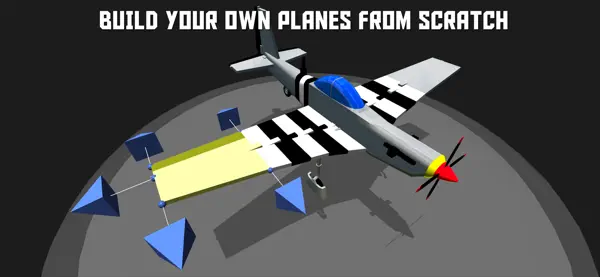
Finally, a game for the thinking man. SimplePlanes is less about 'playing' and more about 'engineering.' If your center of mass is off by a few inches, your beautiful jet becomes a very expensive lawn ornament. I love that. It’s a game that demands respect for physics. The building tools are remarkably intuitive for a mobile device, though I’d still prefer a mouse for the fine-tuning. The graphics are clean and serve the purpose, though the environments are a bit barren. The real meat is in the community; you can download thousands of user-made planes, and the creativity on display is staggering. It’s a bit dry for the average 'arcade' gamer, but if you enjoy solving mechanical problems and the thrill of a successful maiden flight, this is top-tier software. It's built on logic, and I appreciate that.
This is the last 12 List of Latest Updated IOS Simulation Games
Dinsun here. I don't usually go for 'lifestyle' apps, but Design Home is a curious beast. It’s less of a game and more of a virtual catalog for expensive furniture. The core loop of decorating a room and getting judged by strangers is oddly compelling, but it’s poisoned by the monetization. You quickly run out of the 'good' furniture, and to keep winning, you’re almost forced to spend real money. The graphics are sharp—real furniture looks like real furniture—but the gameplay is essentially a shopping simulator. If you’re an interior design enthusiast, there’s some value here as a mood board, but as a gamer, I find the pay-to-win structure to be egregious. It’s pretty, but it’s shallow.
I’ll admit, the production value here is impressive. For a mobile tie-in, the character models and the sheer volume of content—750 dragons!—is staggering. If you’re a fan of the movies, there is a lot of love here. However, once you get past the initial honeymoon phase of building your village, the typical mobile rot starts to set in. The timers become excruciating. Everything takes hours, then days, unless you want to cough up real money. It’s a city-builder at heart, and like most of its peers, it’s designed to be a slow-motion treadmill. The combat mini-games are a nice distraction but lack real tactical depth. It eventually becomes a game of checking in every few hours to click a few icons and then waiting again. It’s great for kids who just want to see Toothless on their screen, but for an actual gamer, it feels more like a management spreadsheet with pretty skins. It’s a solid 5/10 experience wrapped in 9/10 IP.
DragonVale is the kind of game that defines a genre. It’s a conservative, well-oiled machine of collection and waiting. I’ve never been a huge fan of 'wait-timers'—I’d rather play a game than wait for it—but DragonVale handles the loop with more grace than most. The art style is genuinely charming, and the sheer number of dragon combinations is a completionist’s nightmare (or dream, depending on your outlook). It’s a very safe, pleasant experience. There’s no combat, no real pressure, just the steady growth of your floating islands. However, at 40, I find the social requirements and the 'gem' economy a bit tiresome. It’s designed to be checked twice a day for years, not played for hours. It’s a high-quality product, clearly built with care, but it’s the ultimate 'slow' game. If you have the patience, it’s a classic; if you want action, you’re in the wrong place.
I'm a car guy, so I can appreciate the level of detail here. This isn't just 'pick a color and a wheel'; it’s a deep dive into actual aftermarket parts and real-world configurations. The 3D models are genuinely high-quality, and the sheer volume of cars included is staggering. For anyone who spends their weekends under a hood or browsing car forums, this is a fantastic toy. That said, let’s not call it a 'game.' The challenges and social features are basically just popularity contests. There’s no driving, no racing, and no mechanical simulation—it's purely aesthetic. It’s a very polished digital model kit. If that's what you want, it’s the best one on the market. If you want a simulator where you actually use the cars you build, look elsewhere.
I’ll admit, they nailed the psychological loop. You click a button, a bar fills up, and you get 'money.' You use that to make the bar fill faster. It’s the purest distillation of capitalism, and it’s completely hollow. There is zero gameplay here. You aren't making decisions; you're just following the path of most efficiency. It’s well-made for what it is—the UI is snappy and the theme is consistent—but I can't in good conscience call this a 'great' game. It’s a Skinner box. It’s designed to keep you coming back to watch numbers get bigger. If you have an addictive personality, stay far away. If you want a game with depth, look elsewhere. It’s fine as a background distraction, but that’s it.
Look, I’ve seen plenty of these 'idle' games come and go. Tiny Tower is better than most because it actually has some personality in its pixels, but let’s not pretend it’s SimCity. You build a floor, you stock a shop, and you wait. It’s a loop designed to keep you tapping without ever really challenging your brain. The Bitizens are cute enough with their little outfits and 'BitBook' posts, but they don't have much soul. I appreciate the lack of aggressive paywalls compared to modern mobile trash, but the 'gameplay' is mostly just glorified bookkeeping. If you want something to stare at while you're waiting for a bus, fine. But as someone who grew up on games that required strategy, this feels a bit like being a digital elevator operator. It’s competent for what it is, but 'what it is' isn't much more than a time-sink.
I’m clearly not the target audience for this, but even objectively, the game has changed for the worse over the last decade. It started as a cute novelty—you talk to the cat, he repeats it back. Now, it’s a lifestyle simulator where the 'lifestyle' involves watching an ad every time you want to go to the bathroom. It’s very polished, I’ll give it that. The animations are expressive and the mini-games are functional. But the level of data tracking and advertising targeted at kids is concerning. It’s less of a game and more of a commercial that you have to 'nurture.' If you want a digital pet, buy a Tamagotchi. At least that won’t ask for your location and track your browsing habits while you're trying to feed it a digital cupcake.
This is a poor man's Minecraft. It removes the survival, the mining, and the exploration, leaving only the building—which is then handicapped by blueprints and timers. It’s a building game that doesn't really want you to be creative unless you pay to unlock the good blocks. The 'social' aspect is just a gallery of other people's identical villages. The graphics are a blatant ripoff of Mojang’s work, but without any of the charm. It’s clearly designed to capture the youth market that can't buy the real thing. It’s playable, but it feels incredibly cynical.
This is a classic Gameloft title: high production values, very pretty to look at, and absolutely hollow inside. The core gameplay is just a series of timers. You wait for eggs to hatch, wait for dragons to grow, wait for energy to refill so you can fight. The 3-on-3 combat is incredibly basic, relying more on your dragon's stats (which you buy with time or cash) than any tactical genius. It’s designed to be a daily habit, not a game you sit down and enjoy for an hour. If you like collecting things and have a lot of patience, you'll find it okay. But for someone like me, it feels like a job that pays in digital lizards. I’m over it.
Calling Highrise a 'game' is being generous. It’s a chat room where the primary objective is to show off how much digital junk you've bought. The 'gameplay' consists of dressing up an avatar and standing around. The player-run economy is just a fancy way of saying people overcharge each other for pixels. If you're looking for a social experience, maybe you'll find it here, but it feels like a shallow loop of wanting the next rare item. It’s essentially a 2D version of Second Life or VRChat but with a more aggressive focus on microtransactions. I don't see the appeal for anyone looking for actual mechanics or challenge. It’s a place to hang out, sure, but keep your wallet closed.
The Battle Cats is the kind of game I hate to like. The art looks like something drawn on a napkin, and the gacha elements are clearly designed to drain your wallet if you aren't careful. However, under the hood, there is a legitimate strategy game here. The unit variety and the 'meatshielding' mechanics require actual thought, especially in the late-game stages. It’s a grind, and the energy system is a relic of old-school mobile greed that I despise, but I can't deny the satisfaction of finally beating a stage that's been brick-walling you for a week. It’s bizarre, it’s frustrating, but it’s more of a 'game' than most of this mobile trash.
Covet Fashion is the 'AAA' version of those cheap makeover games, but that just means the monetization is more professional. I can see why it’s popular; using real-world brands gives it a legitimacy that other games lack. But let’s be honest: it's a giant interactive catalog. The 'gameplay' is essentially a series of prompts that require you to spend virtual—or real—currency to compete. If you aren't willing to open your wallet, you're going to hit a wall very fast. The voting system is also notoriously fickle, often rewarding a 'standard' look over anything truly creative. It’s well-made for what it is, but what it 'is' is a machine designed to make you want to buy clothes. It’s too corporate for my taste.