Sumoku is a brilliant fusion of Sudoku and crossword-style layout, but with a math-focused twist. It’s the kind of game that is easy to learn but difficult to master. The core mechanic is simple: place tiles so that the sum of each row and column is a multiple of a given key number. It requires a different kind of 'brain-wiring' than typical number puzzles, focusing on mental arithmetic and spatial planning.
The app is clean and distraction-free, which is perfect for a logic game. The 'seven-segment' math aesthetic is cool and retro, making it feel like playing on a classic calculator. It’s a great educational tool that actually feels like a game, making it perfect for kids practicing multiplication or adults who want to keep their mental math sharp. It’s a quiet, clever, and highly replayable puzzle game.
Dinsun here. If you miss your 1980s calculator, you'll feel right at home. Sumoku is less of a game and more of a digital workbook. The seven-segment gimmick is fine, but it’s purely aesthetic. The puzzles are logically sound, sure, but there’s no hook, no progression that feels rewarding, and the UI is incredibly spartan. It’s the kind of app you find your grandfather playing because he finished the newspaper Sudoku. It does exactly what it says on the tin, but it doesn't do a lick more. It’s too conservative even for me.
Performance: Extremely lightweight; runs on any device without heat or battery drain.
Buy if: You actually enjoy doing math problems for fun.
Skip if: You want anything resembling a traditional video game experience.
Available on: iPhone, iPad, iPod
Version 2.0.1Thu Oct 21 2021
• Optimized for iOS 15
• Minor improvements
Sumoku is a game of digital numbers.
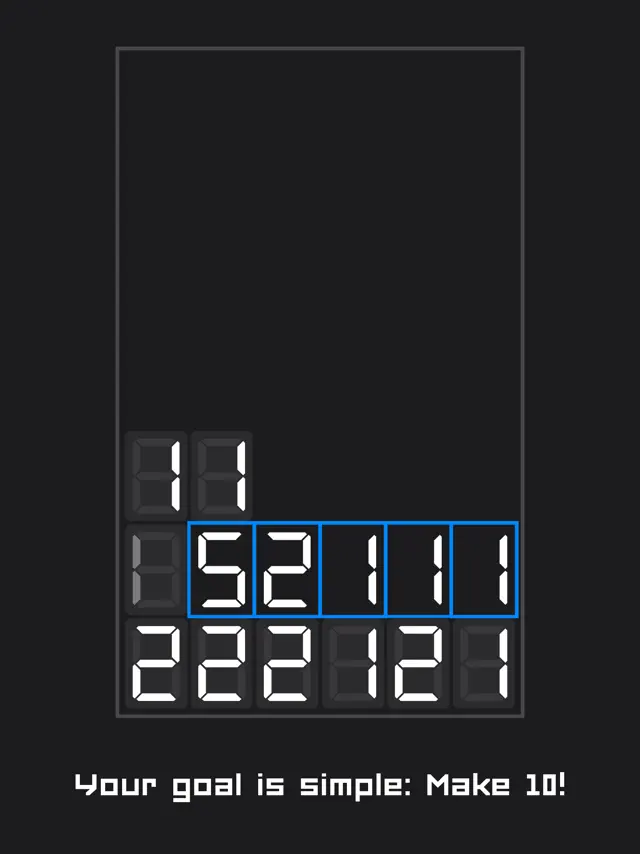
Your goal is simple: create combinations of numbers equaling 10 by sliding them around the grid.
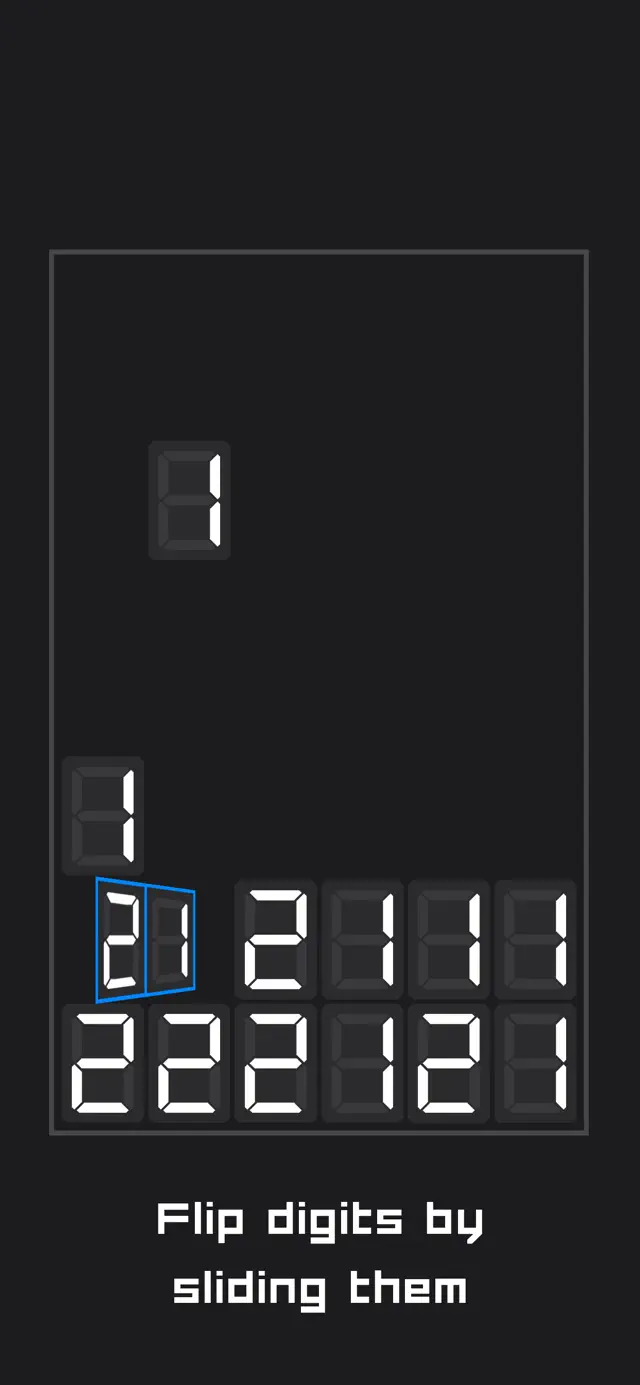
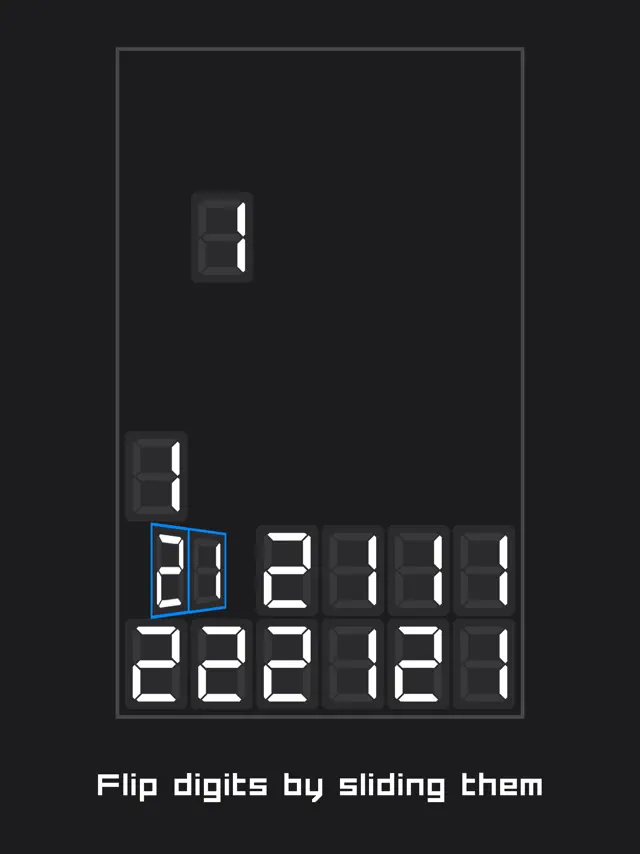
Move digits horizontally or vertically “flipping” them into place.
Since the numbers are digital, reversing them can change their value. For instance, a 2 can be flipped into a 5 or a 6 into a 9.
Be careful to create a non-number in the process since the number cannot be used until it is set right.
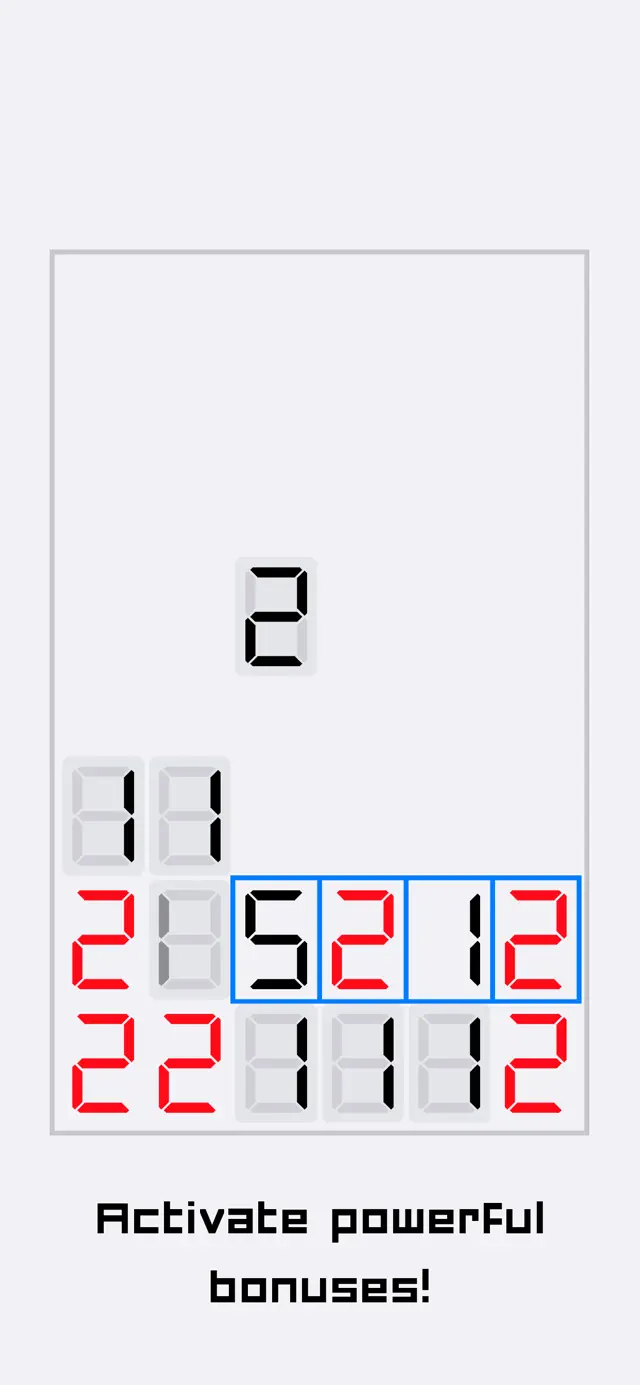
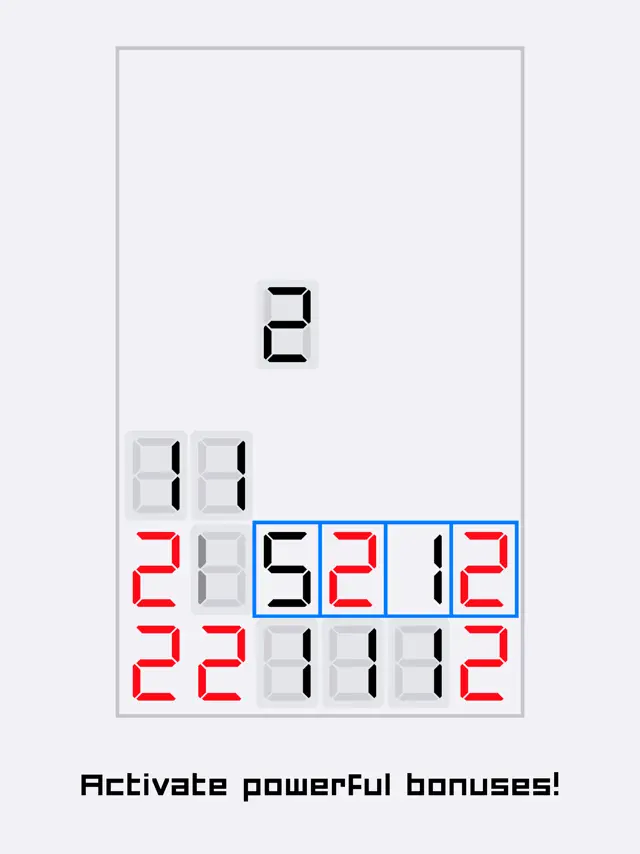
There are also “special” green and red digits that cannot be flipped but provide you powerful bonuses.
You can choose from three modes:
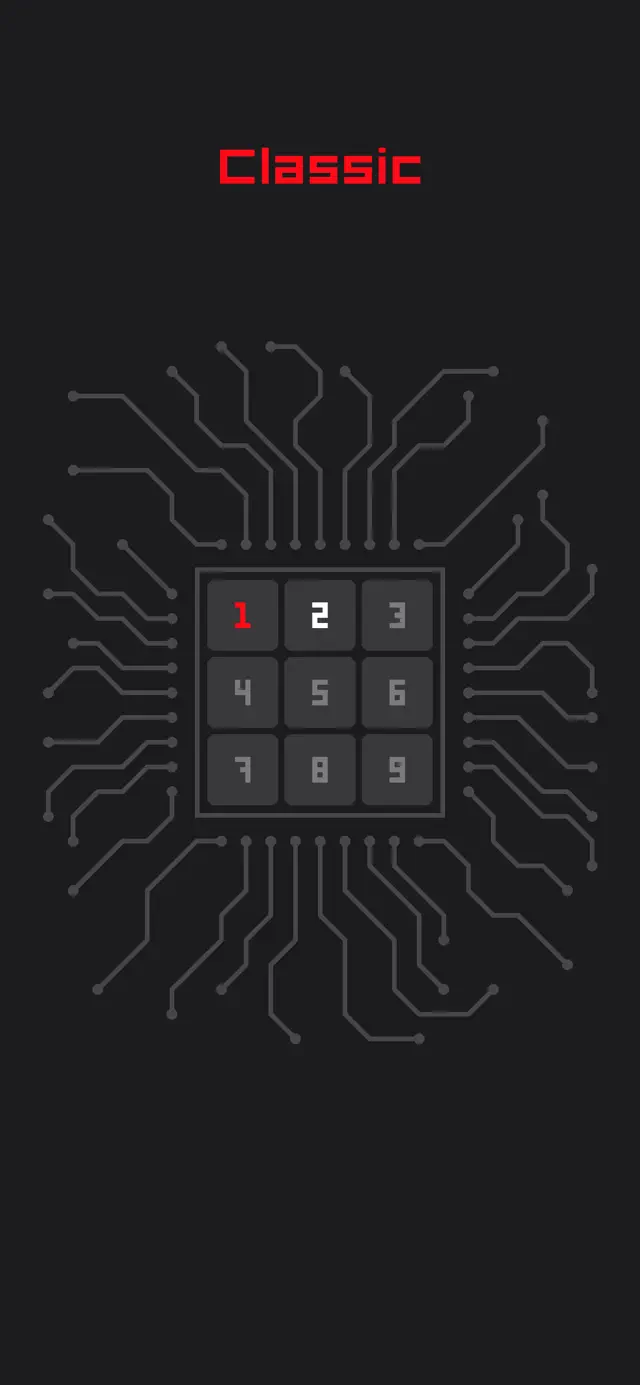
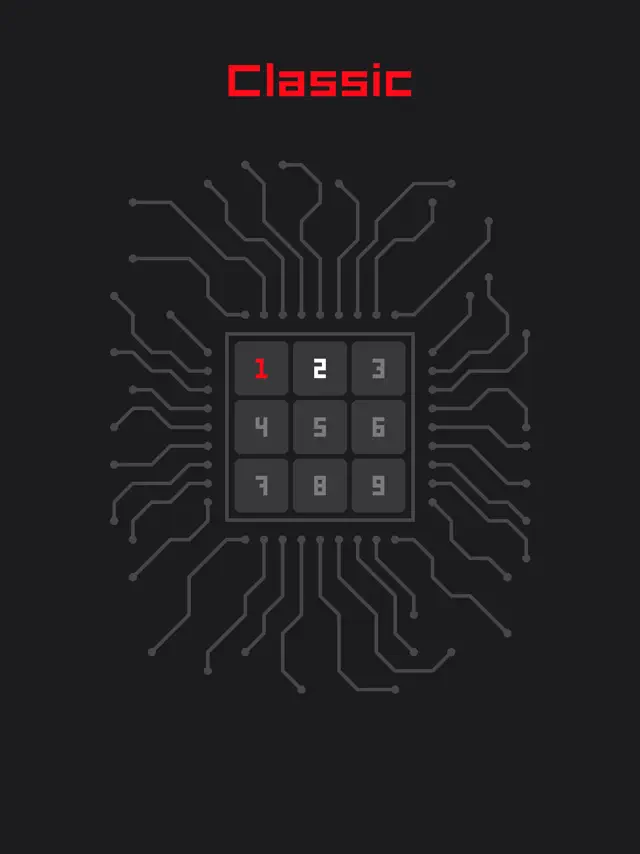
Classic - eliminate a set amount of numbers as quickly as possible;
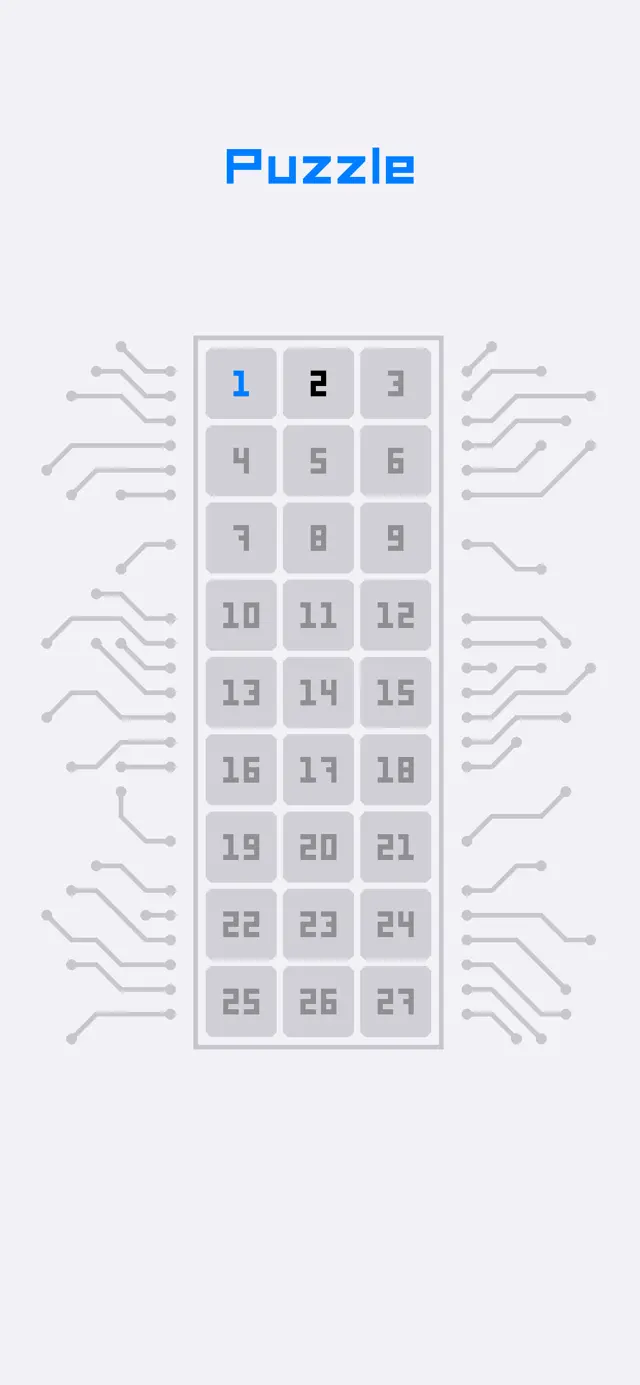
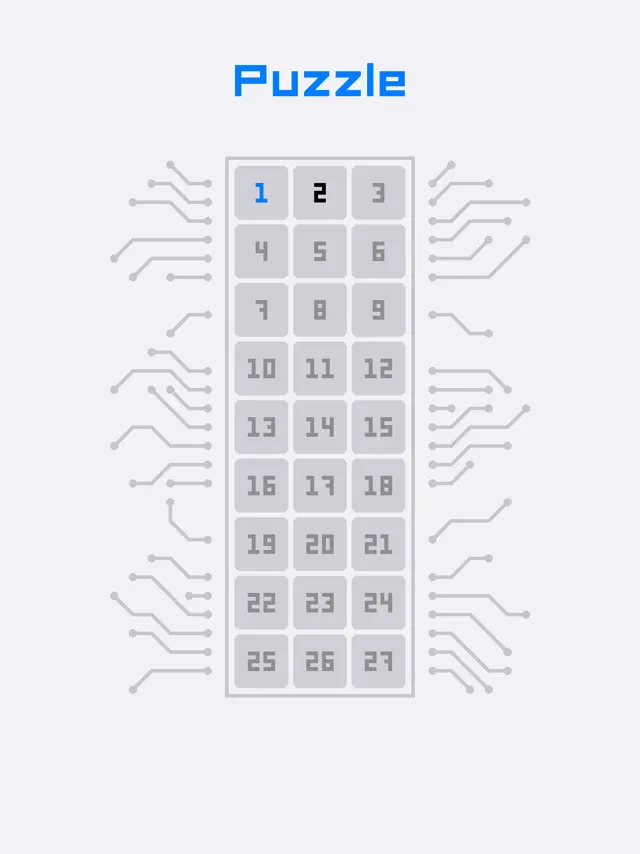
Puzzle - get rid of prearranged groups of numbers in as few moves as possible;
Endless - do the best score before the grid is full.
Sumoku supports iCloud and Game Center (both Leaderboards and Achievements).
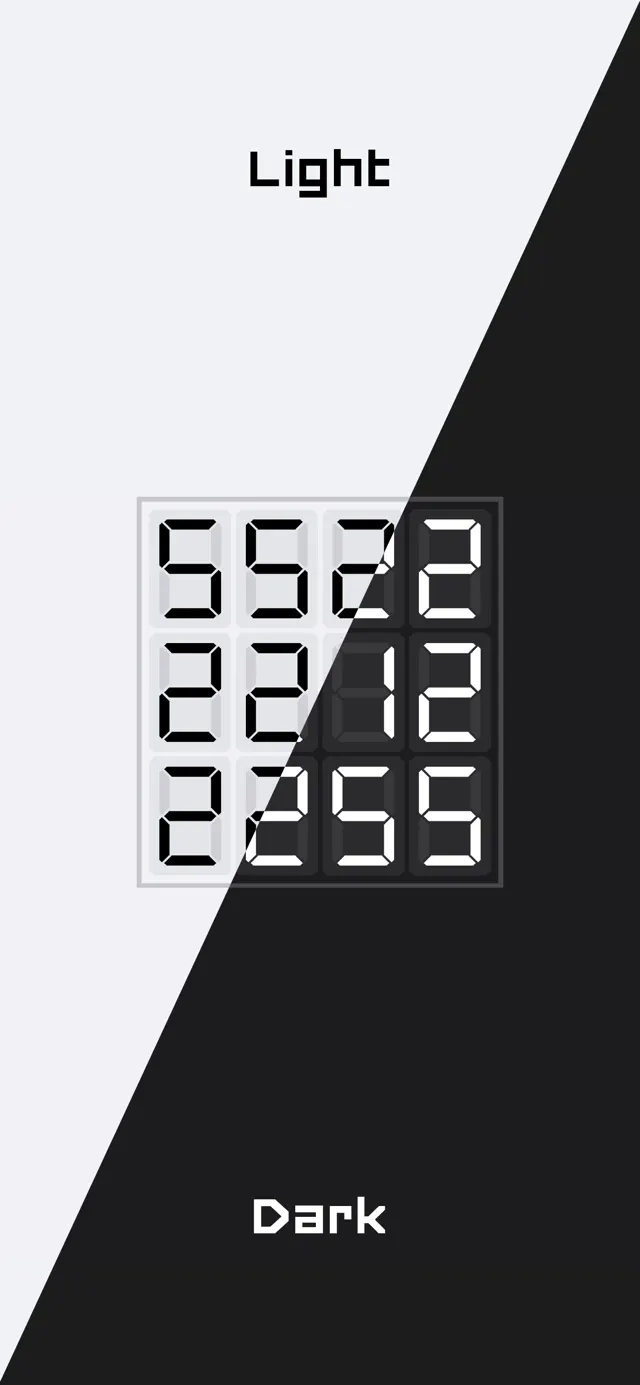
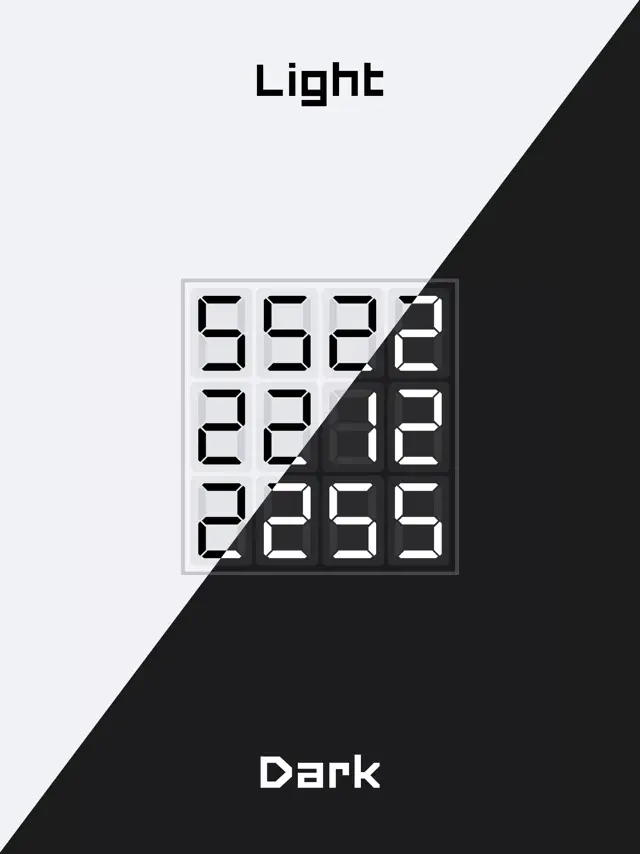
There are two themes available: Light and Dark.
Requires iOS 11.0 or later. Compatible with iPhone, iPad, and iPod touch.Sumoku is a game of digital numbers.
Your goal is simple: create combinations of numbers equaling 10 by sliding them around the grid.
Move digits horizontally or vertically “flipping” them into place.
Since the numbers are digital, reversing them can change their value. For instance, a 2 can be flipped into a 5 or a 6 into a 9.
Be careful to create a non-number in the process since the number cannot be used until it is set right.
There are also “special” green and red digits that cannot be flipped but provide you powerful bonuses.
You can choose from three modes:
Classic - eliminate a set amount of numbers as quickly as possible;
Puzzle - get rid of prearranged groups of numbers in as few moves as possible;
Endless - do the best score before the grid is full.
Sumoku supports iCloud and Game Center (both Leaderboards and Achievements).
There are two themes available: Light and Dark.


Sumoku is a logic game that will challenge your mind and sharpen your math skills. Using numbered tiles, you must build rows and columns where each line sums up to a multiple of the 'key' number for that level. With multiple modes and increasing difficulty, it's a perfect puzzle for both casual play and serious brain training.
Unique math-meets-Sudoku gameplay
Multiple difficulty levels and game modes
Clean, retro seven-segment display style
Great for both kids and adults
If the key number is 5, look for ways to make your rows end in 0 or 5. If you already have a 7 in a row, you need to add a 3, 8, or 13 to reach a multiple of 5. Planning your overlaps at the intersections is the key to high scores.
Start with 'Relax' mode to get a feel for the sums. Once you are comfortable, try 'Time Attack' where you have to complete the grid under pressure. This forces you to internalize multiplication tables much faster.
The key number is the value that all rows and columns must be a multiple of for that specific level.