The Hottest Games In Apple Arcade
Apple Arcade is fun with low monthly subscription fee. The following are the hottest games in the Apple Arcade right now.
Apple Arcade is a game subscription service that offers unlimited access to over 200 premium games for a monthly fee. You can play Apple Arcade games on iPhone, iPad, Mac and Apple TV, and share your subscription with up to five family members. Apple Arcade games are free of ads, in-app purchases, and interruptions, and feature new releases, award winners, and beloved favourites from the App Store. Some of the popular games on Apple Arcade include WHAT THE CAR?, TMNT Splintered Fate, Disney SpellStruck, and Cityscapes: Sim Builder. You can get three months of Apple Arcade free when you buy a new Apple device, or try it for one month for free. You can also bundle Apple Arcade with other Apple services in the Apple One plan.
Apple recently announced the launch of 20 new titles on Apple Arcade, including WHAT THE CAR?, TMNT Splintered Fate, Disney SpellStruck, and Cityscapes: Sim Builder, all of which are only available on Apple Arcade. The expansion also adds popular games from the App Store to the service, including Temple Run+, Playdead’s LIMBO+, PPKP+, and more. Apple Arcade features games developed by some of the world’s best creators, from indie titles to popular global franchises. The extensive collection of mobile games includes everything from fast-paced action games and fierce multiplayer competitions, to lively adventures, relaxing puzzlers, and compelling sports titles.
In August 2023, Apple Arcade is setting the gaming stage on fire with the release of four thrilling new games, alongside 30 app updates and major events. The platform is rejuvenating SEGA’s classic rhythm game Samba de Amigo: Party-To-Go, introducing fun puzzle games like Nekograms+ and Kingdoms: Merge & Build, and the distinctive indie game finity2. Players will have plenty to explore with updates to fan favorites like Crossy Road Castle, Jetpack Joyride 2, and Cooking Mama: Cuisine! Furthermore, recently launched titles like TMNT Splintered Fate, Cityscapes: Sim Builder, and Hello Kitty Island Adventure are also getting content updates this month.
Apple Arcade is fun with low monthly subscription fee. The following are the hottest games in the Apple Arcade right now.
The following is the list of the games that are comming to be released soon. Click on the link and go into App Store to Pre-Order.

 Dinsun Review52/100Skip
Dinsun reviewing here. Back in my day, we bought a tub of plastic DUPLO bricks and let kids build real physical structures. 'LEGO DUPLO Playtime' puts toddlers in front of a glass screen to drag virtual blocks across simple pre-rendered scenes. While the visual presentation is bright and non-stimulating enough for young toddlers, the aggressive subscription push and micro-content locking leave a bad taste. As a video game, there's virtually zero depth or mechanical challenge. It accomplishes what it sets out to do for toddlers aged 2-4, but for any real gamer or parent mindful of screen time, buying physical bricks remains infinitely superior.

 Dinsun Review74/100Wait for Sale
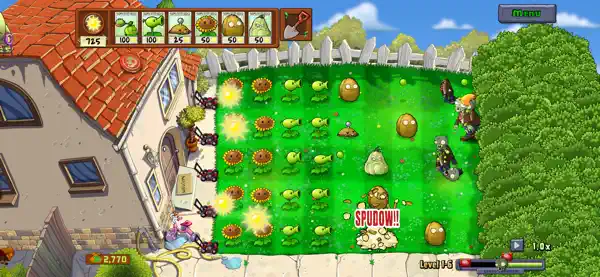
Dinsun here. The original 2009 Plants vs. Zombies was a masterpiece of casual grid strategy—tight balancing, charm, and crisp progression. 'Replanted' delivers higher resolution sprites and modern UI scaling, which looks sharp on high-density displays. However, behind the glossy surface, EA is asking full price for what amounts to a cosmetic texture pack update. The core gameplay loop remains solid—planting Peashooters and Sunflowers to stave off waves of undead still works like a charm. But without significant new level designs or expanded mechanics, it feels like publisher repackaging. It's good, but we played this fifteen years ago.

 Dinsun Review78/100Wait for Sale
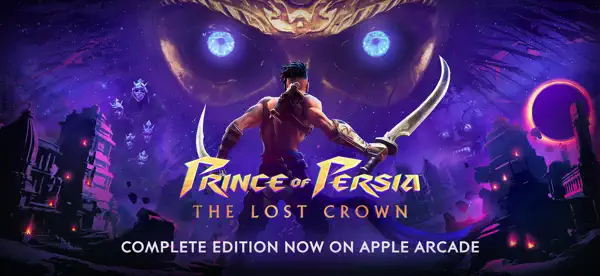
Dinsun here. When I think of Prince of Persia, I think of Jordan Mechner's 1989 rotoscoped precision or Sands of Time. 'The Lost Crown' pivots the series into a full Metroidvania. Mechanically, I have to give credit where it's due—the platforming precision, parry timings, and map exploration features (like snapshot markers) are genuinely top-tier design. However, on mobile, touch controls are a severe handicap for a game requiring frame-perfect parries. You absolutely need a physical Bluetooth controller. Furthermore, the modern 'edgy' art style and hip-hop influenced soundtrack feel like committee-driven focus testing rather than timeless Persian mythology. Still, strictly as an action platformer, it's a competence rarely seen on the App Store.

 Dinsun Review58/100Skip
Dinsun here. Look, card solitaire has existed for hundreds of years, and Microsoft perfected its digital iteration back on Windows 95. 'Solitaire-ish' tries to add modern flair with slick UI skins and minor twist mechanics, but beneath the coat of paint, it is just basic Klondike with heavy ad integration. It functions fine, but calling it anything more than a glorified distraction while waiting in line at the post office would be a lie. The controls are responsive enough, but touch drag-and-drop on small screens occasionally misinterprets stack drops. If you've played one mobile solitaire clone, you've played them all. There's no real meat on these bones.

The latest released games, is there a game that you havn't play yet? Click on the link and go into App Store to Order it.
 Dinsun Review62/100Wait for Sale
I've got a lot of respect for the original Crossy Road when it dropped years ago—it understood arcade pacing and simple design. But this rush-style variant tries to inject extra adrenaline into a formula that didn't necessarily need it. As a forty-year-old gamer with reflexes that aren't quite what they were in my twenties, speeding up the chaotic traffic dodging just turns the experience into a frustrating exercise in trial-and-error rather than skill. That said, it isn't completely devoid of charm. The blocky art style is clean, and it's fine for a quick five-minute distraction when you're waiting in line. But the monetization and endless-runner fatigue catch up to you fast. There's no real narrative weight, no deep progression, and once you've dodged your hundredth truck, the thrill completely evaporates. It's an okay diversion, but conservative gamers looking for substance will grow tired of it rapidly.
 Dinsun Review50/100Skip
I'll admit, looking at beautifully plated dishes can be satisfying for a minute or two. But as a gamer who grew up on complex strategy titles and deep RPGs, sitting there dragging virtual garnishes onto a plate starts feeling less like a game and more like digital interior decorating chores. Food Stylist Design Game looks slick on modern phone displays, but beneath the glossy exterior of gourmet meals lies a repetitive loop of placing items to satisfy automated scoring metrics. The progression crawls unless you engage with microtransactions or wait out timers, which instantly kills any momentum. There's no challenge or failure state—either your plate looks pretty enough for the algorithm or it doesn't. If you find peace in cozy arrangement games, maybe you'll squeeze some mild enjoyment out of it. For me? I'd rather play something where my tactical decisions actually matter than play garnish simulator on a touch screen.

 Dinsun Review74/100Buy Full Price
Now this is more like it. As someone who appreciates classic puzzle design that doesn't rely on flashy explosions or microtransactions to grab your attention, KAMI 2 hits a lot of the right notes. The concept is dead simple: flood the screen with a single color in a limited number of paper-folding moves. But once you get past the gentle introductory stages, it turns into a rigorous test of spatial reasoning that will genuinely make you stop and scratch your head. It's quiet, it's elegant, and it doesn't insult the player's intelligence with intrusive hand-holding. My only real critique is that puzzle difficulty can spike dramatically, occasionally pushing past satisfying logic into trial-and-error frustration. But for a mature gamer looking for a clean, cerebral brain teaser to digest on a mobile screen, it's one of the few titles on the App Store that actually earns its keep.

 Dinsun Review76/100Buy Full Price
NBA 2K27 Arcade Edition remains the premier sports experience on iOS simply because Apple Arcade strips away the predatory microtransactions that ruin console versions. The core basketball simulation, player animations, and controller support are top-tier for a mobile device. That said, as a conservative gamer, I notice annual iterations are getting incremental at best. Visual upgrades are minimal compared to last year, thermal throttling sets in during longer matches, and touch controls remain far inferior to playing with an MFi gamepad.

 Dinsun Review74/100Wait for Sale / Worth Trying on Arcade
I respect game designs that demand actual technique, and Touchgrind BMX 2+ certainly delivers on difficulty. The two-finger manipulation mechanic mimics real fingerboarding and requires genuine spatial awareness and timing to pull off clean tricks. That said, it can feel stubborn and unforgiving. It's a solid, well-built physics challenge for patients players, but the high frustration factor keeps it from being a masterpiece.
 Dinsun Review62/100Wait for Sale / Arcade Filler
4 Pics 1 Word is as straightforward as mobile games get. The core concept hasn't changed in over a decade, and frankly, it doesn't need to. Removing ads and predatory coin purchases via Apple Arcade is a welcome change, making it a functional daily mental warmup. However, from a game design perspective, it remains extremely basic. It's a fine casual word game for short bus rides or morning coffee, but don't expect deep engagement or innovation.

 Dinsun Review58/100Skip (Unless included with Apple Arcade)
At 40, I've seen plenty of licensed virtual pet games come and go, and Pusheen's Place doesn't do much to break the mold. It's essentially a passive collect-and-decorate loop bundled with rudimentary match-3 and bubble shooter minigames. The visual presentation is admittedly faithful to the IP, but there is zero mechanical friction or meaningful decision-making here. You tap, collect, swap a couch, and play basic mobile puzzles that offer no challenge. It passes the time if you just want something mindless, but it's far too shallow to keep anyone engaged beyond a few superficial sessions.

 Dinsun Review71/100Wait for Sale / Worth a Try on Arcade
As someone who grew up with River City Ransom on the NES, seeing Kunio-kun adapted into a survivor-like is a decent fit. The combat carries that classic arcade crunch, and grinding for gear upgrades scratches an ARPG itch. However, when hundreds of zombies crowd the screen alongside flashy special moves, readability collapses entirely. It's good chaotic fun for a run or two, but it lacks the tight mechanical precision of classic beat-'em-ups or top-tier survivor titles.
Let's see which game have some new features releases, and try to get back to the game wit the new contents.
 Dinsun Review30/100Skip
It absolutely baffles me that developers continue to release standard coloring applications masquerading under the title of 'games.' Let me be perfectly clear: there is no fail state here, there is no challenge, and there is certainly no actual gameplay. It is simply a tap-to-fill digital canvas targeted at toddlers to keep them quiet in restaurants. While the lines are crisp and the application runs stably enough, the aggressive monetization strategies for 'premium' coloring templates feel completely predatory for an app supposedly tailored 'for families.' Back in my day, we bought a 99-cent physical coloring book and a box of crayons, which actually developed fine motor skills in children. This digital substitute offers absolutely nothing that a hundred other similar, free applications haven't already done better. It is entirely devoid of artistic merit, educational value, or interactive depth.
 Dinsun Review84/100Buy Full Price / Apple Arcade Highlight
Terraria remains one of the finest indie sandbox games ever made, and having the full experience on Apple Arcade is undeniable value. The depth of crafting, exploration, and boss progression puts most modern titles to shame. That said, as an older gamer who values clean controls and straightforward interfaces, the mobile port demands patience. Managing a massive inventory and precise platforming on a touch screen can be cumbersome without a physical gamepad. It's a fantastic, content-rich classic, but PC or console remains the proper way to experience it.
 Dinsun Review70/100Play on Subscription (Apple Arcade)
Look, it’s Solitaire. You know it, I know it, your grandmother knows it. There are no surprises here, and for a man like me, that’s actually a recommendation. MobilityWare has been the 'king' of this specific hill for a long time because they don't mess with the formula. The cards move where you expect them to, the sound of the deal is satisfying, and the statistics are actually comprehensive. The Arcade version is finally clean of the obnoxious ads that made the standard version unplayable. It feels like the professional tool it’s meant to be. Is it exciting? No. Is it high-art? Of course not. But it is perfectly functional, highly polished, and exactly what you want to play while you're listening to a podcast or waiting for a meeting to start. It does one thing and it does it correctly.
 Dinsun Review62/100Wait for Sale / Free to Play
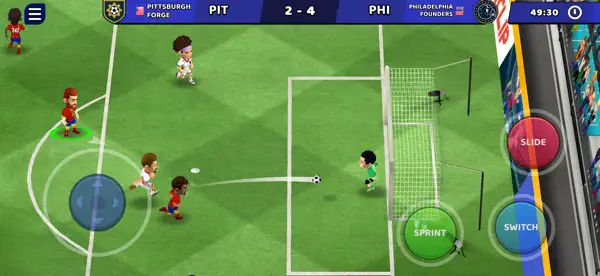
Look, I’ve played enough football sims since the 90s to know when a game is trying to cut corners. Mini Football Legends isn't a disaster, but it’s definitely catering to the 'pick up and play for five minutes' crowd. The controls are responsive enough, and it’s easy to get a handle on the basic loop of upgrading players and winning matches. However, as someone who values tactical nuance, I find the AI predictable and the strategy elements a bit thin. It feels more like a collectible card game with a soccer skin than a proper sports title. The progression system is clearly designed to keep you on the treadmill, pushing for those legendary pulls. While the visuals are clean and the performance is stable, there's a certain soul missing here—that grit and unpredictability of the real sport. It's a fine distraction if you're waiting for a bus, but don't expect it to replace a serious management sim or a high-fidelity console experience. It's safe, it's playable, and it's ultimately quite average.
 Dinsun Review65/100Play via Apple Arcade
I’ll admit, seeing Scrooge McDuck and Mickey Mouse in a high-fidelity world has its charms, even for a cynical man like me. But once the nostalgia wears off, you're left with a very grindy experience. It’s a 'chores' simulator. Go here, pick ten flowers, bring them back, talk to Goofy. It feels like busywork designed to keep you logged in rather than provide a meaningful challenge. The Apple Arcade version is superior because it removes the aggressive monetization found on other platforms, but the core gameplay remains shallow. The writing is surprisingly decent, capturing the character's voices well, but the actual 'game' part is just too repetitive. It's safe, family-friendly corporate entertainment. I’m not the target audience, but even I can see the lack of mechanical depth.
 Dinsun Review68/100Wait for Sale
Dinsun here. I don't usually care for 'cooking' games, but the fantasy theme here is well-implemented. It gets stressful fast, which I suppose is the point. The upgrades take a long time to earn without spending money, which is my usual complaint. It's competent, but it won't change your life.
 Dinsun Review75/100Wait for Sale
Cooking games are usually too frantic for me, but this one has a nice pace. The customers are weird—they ask for 'pizzas like the sunrise' and you have to figure out what that means. It’s more of a puzzle game than a pure sim. The art style is quirky and I appreciate that it doesn't look like every other generic mobile game. The progression is steady, but it can get repetitive once you’ve unlocked most of the ingredients. It’s a solid B-tier game that’s perfect for short sessions.
 Dinsun Review70/100Buy Full Price
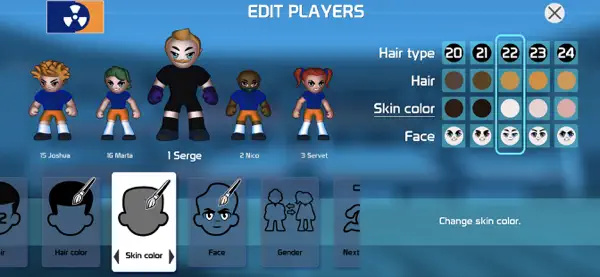
I grew up on Sensible Soccer and International Superstar Soccer, so Charrua Soccer speaks my language. It’s got that arcade snap—no need to spend three hours in menus before you can kick a ball. The visuals are a bit 'toy-like' for my taste, but they're clean. My main gripe is the AI; it either plays like a group of toddlers or prime Barcelona with no middle ground. The Career mode is surprisingly robust for a mobile title, though it lacks the license polish some might miss. It’s a solid game for when you want a quick match without the EA corporate baggage.